MANASLU CIRCUIT TREK
Price
USD 1,100.00
Destination
Manaslu Region
Activities
Trekking
Duration
14 Days
Difficulty
Moderate
Max Altitude
5167m/16752ft (Larkya Pass)
Best Season
Sep-Dec & Mar-May
Start / End Point
Kathmandu / Kathmandu
Accommodation
Tea House & Hotel
Meals
Brekfast, Lunch and Dinner
Overview
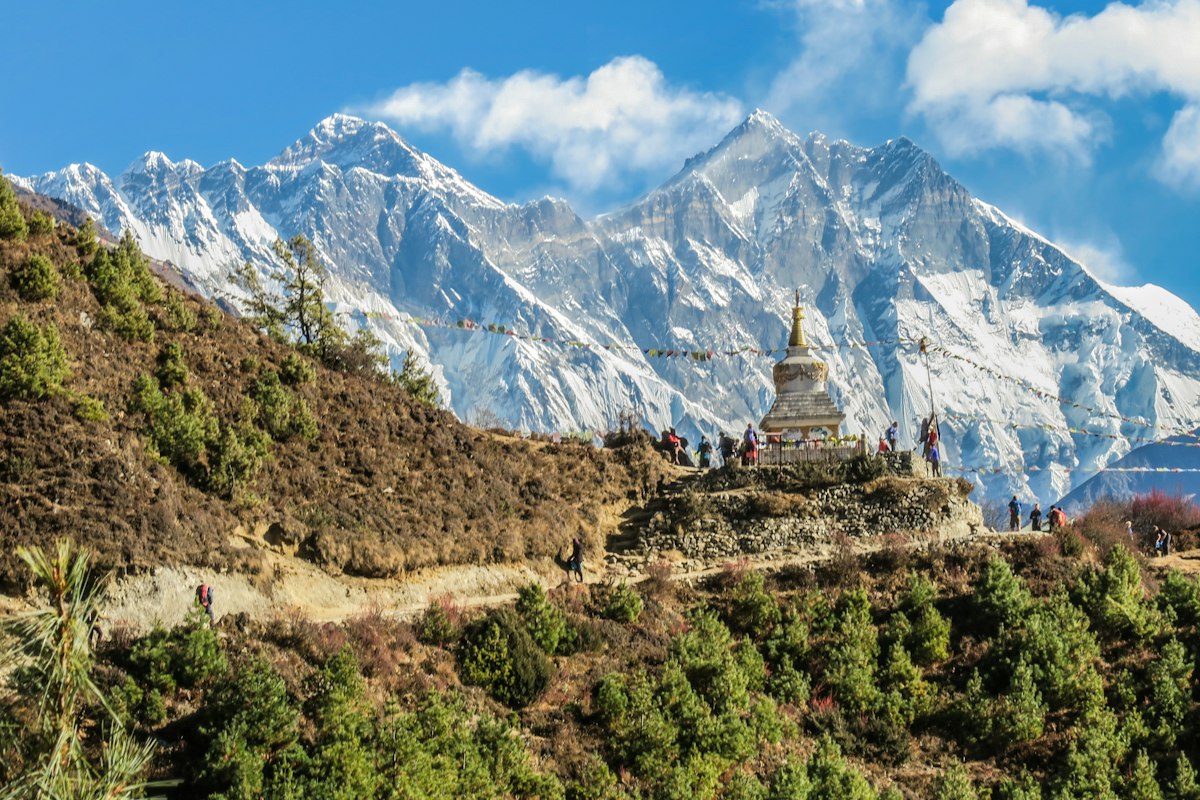
The Manaslu Circuit Trek is one of the most spectacular, adventurous, and culturally rewarding trekking journeys in Nepal. Circumnavigating Mount Manaslu (8,163 m), the eighth-highest mountain in the world, this extraordinary trek takes you deep into the remote Himalayan landscapes of the Manaslu region. The journey combines dramatic mountain scenery, ancient villages, rich Tibetan-influenced culture, pristine forests, roaring rivers, impressive waterfalls, high-altitude landscapes, and the challenging crossing of Larkya La Pass at 5,167 meters (16,952 feet).
Located in north-central Nepal, the Manaslu region lies close to the Tibetan border and remains considerably less crowded than some of Nepal's most popular trekking destinations. The area was opened to foreign trekkers in 1992, and its restricted status has helped preserve much of its natural environment, traditional culture, and remote Himalayan character. The trek passes through the Manaslu Conservation Area, where diverse ecosystems range from subtropical forests and terraced farmland to alpine meadows, glaciers, and high mountain terrain.
The Manaslu Circuit Trek is an excellent choice for trekkers seeking a challenging Himalayan adventure away from the busier trails. Although the route has become more accessible in recent years, it still retains a strong sense of wilderness and exploration. The combination of physical challenge, spectacular scenery, and cultural diversity makes the Manaslu Circuit one of Nepal's finest long-distance trekking routes.
The adventure begins with a scenic drive from Kathmandu toward Machha Khola, the traditional starting point of the trek. From here, the trail follows the Budi Gandaki River, gradually ascending through lush hills, terraced fields, forests, waterfalls, and narrow river gorges. Along the way, trekkers cross numerous suspension bridges, pass through traditional settlements, and experience the everyday lifestyle of the communities living in the remote valleys.
As the trail climbs higher, the landscape changes dramatically. The subtropical vegetation gradually gives way to pine, fir, rhododendron, and juniper forests. Traditional Gurung villages become increasingly influenced by Tibetan Buddhist culture, with stone houses, prayer flags, mani walls, chortens, and monasteries becoming prominent features of the landscape.
One of the cultural highlights of the trek is Namrung, a beautiful mountain settlement surrounded by spectacular Himalayan scenery. From Namrung onward, the views of Manaslu and the surrounding peaks become increasingly impressive. The trail continues toward Lho, where trekkers can enjoy magnificent views of Manaslu and explore the village's Buddhist heritage before continuing toward Samagaon.
Samagaon is one of the most important settlements on the Manaslu Circuit and serves as an excellent location for acclimatization. Surrounded by enormous Himalayan peaks and glaciers, the village offers an opportunity to experience traditional mountain life while preparing for the higher elevations ahead. Depending on the itinerary and conditions, trekkers can explore nearby monasteries, viewpoints, or surrounding valleys during the acclimatization period.
From Samagaon, the trail continues toward Samdo, a high-altitude Tibetan-influenced village located close to the Nepal–Tibet border. The landscape becomes increasingly barren and dramatic, with fewer trees and vast mountain slopes dominating the horizon. The altitude is now significant, making gradual acclimatization and proper hydration essential.
Beyond Samdo lies Dharamsala, also known as Larkya Phedi, the final overnight stopping point before crossing Larkya La Pass. The environment here is rugged and alpine, with cold temperatures, glaciers, rocky terrain, and snow-covered mountains surrounding the trail.
The crossing of Larkya La Pass (5,167 m) is the major highlight and greatest physical challenge of the Manaslu Circuit Trek. Trekkers generally begin the ascent very early in the morning to take advantage of more stable weather conditions. The climb is demanding because of the altitude, cold temperatures, and potentially snowy or icy trail conditions. However, reaching the summit of the pass provides an unforgettable sense of achievement.
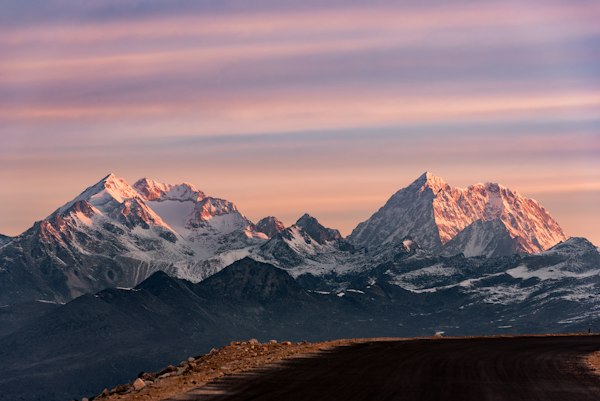
From the top of Larkya La, trekkers are rewarded with breathtaking panoramic views of some of the most spectacular mountains in the Himalayas, including Manaslu, Himlung Himal, Cheo Himal, Kang Guru, Gyaji Kang, and Annapurna II. Looking back toward the valley reveals the dramatic landscapes through which the trek has passed, while the descent opens into an extraordinary glacial and alpine panorama.
After crossing the pass, the trail descends toward Bimthang, one of the most beautiful locations on the entire circuit. The landscape gradually becomes greener as the altitude decreases, and the stark high-altitude environment gives way to forests, meadows, and mountain valleys. The views of the surrounding peaks remain spectacular throughout the descent.
The trek eventually continues toward Dharapani, where the Manaslu Circuit connects with the broader Annapurna trekking region. From Dharapani, trekkers descend through the Marsyangdi Valley toward Besisahar, the traditional endpoint of the Manaslu Circuit journey. A drive then takes you back toward Kathmandu, bringing the Himalayan adventure to an end.
One of the greatest attractions of the Manaslu Circuit is its incredible diversity. Within a single trek, you can experience warm lowland valleys, rice and millet terraces, dense forests, rushing rivers, enormous waterfalls, dramatic gorges, traditional Gurung villages, Tibetan Buddhist settlements, alpine meadows, glaciers, and high mountain passes.
The cultural experience is equally impressive. The region is home to communities with strong Gurung and Tibetan Buddhist traditions. Villages along the trail contain ancient monasteries, prayer wheels, chortens, mani walls, and colorful prayer flags. Local people maintain traditional lifestyles adapted to the demanding Himalayan environment, and staying in family-run teahouses provides opportunities to experience their warm hospitality.
The Manaslu Circuit is not simply a sightseeing trip; it is a physically demanding mountain adventure. Trekkers should be prepared for long walking days, steep ascents and descents, uneven trails, high altitude, changing weather, and basic accommodation in remote areas. The crossing of Larkya La requires particular preparation, and previous trekking experience is beneficial. However, with proper physical preparation, gradual acclimatization, a suitable itinerary, and experienced trekking guides, the journey can be successfully completed by fit and determined trekkers.
The best seasons for the Manaslu Circuit are generally spring (March to May) and autumn (September to November). These periods usually offer favorable trekking conditions, clearer mountain views, and relatively stable weather. Spring also brings colorful rhododendron blooms to the lower and middle elevations, while autumn is known for excellent visibility and crisp Himalayan scenery.
The Manaslu Circuit Trek is particularly appealing to trekkers who want to experience the Himalayas beyond the more crowded classic routes. Its combination of spectacular mountain scenery, remote landscapes, traditional Himalayan culture, challenging terrain, and the unforgettable Larkya La crossing makes it one of Nepal's most rewarding trekking adventures.
Whether you are an experienced trekker looking for a new Himalayan challenge or an adventurous traveler seeking an authentic journey through Nepal's remote mountain communities, the Manaslu Circuit Trek offers an unforgettable experience. Every section of the route brings something different—from the rushing waters of the Budi Gandaki and the terraced hillsides of the lower valleys to the snow-covered mountains surrounding Larkya La and the breathtaking glacial landscapes beyond the pass.
Ultimately, the Manaslu Circuit is a journey of gradual transformation. As you walk farther from the modern world and deeper into the Himalayas, the landscape becomes wilder, the air becomes thinner, and the mountains become increasingly magnificent. The challenge of reaching the high pass, the warmth of the local communities, and the extraordinary beauty of the Manaslu region combine to create a trekking experience that remains memorable long after you have returned home.
- Pax 1 USD 1600
- Pax 2-5 USD 1500
- Pax 5-10 USD 1400
- Pax 10-15 USD 1300
- Pax 15-20 USD 1100
Itinerary
Cost & Pricing
Standard Package
Rates by Category
Inclusions & Exclusions
Included in Package
- Airport Pickup & drop off by private car.
- Two night boutique hotel in Kathmandu with breakfast.
- During the trek, three times full board meals (Breakfast, lunch, and Dinner)
- Government register expert and knowledgeable mountain Guide (Including Salary, Food, Accommodation, Transportation, and Insurance)
- Manaslu Special Permit.
- Manaslu Conservation Area Project permit.
- Annapurna Conservation Area Project Permit.
- Tsum Valley rural municipality entrance ticket.
- Kathmandu to Machha Khola and Besi Sahar to Kathmandu by local bus.
- Tilije to Besisahar by local sharing jeep.
- Three times hot tea/coffee per day throughout the trip.
- During the trek, seasonal fresh fruit.
- Private twin sharing room throughout the trek. ( 1 room for each 2 client)
- Nepal High Trek’s down jacket, sleeping bag, Company Tshirt, and duffle bag (if required)
- Medical supplies (first aid kit will be available).
Excluded
- Your Travel insurance.
- A porter’s cost is US$290 for the whole trip.
- An optional private jeep cost US$200 (Kathmandu – Machhakhola) (Local transportation included in the package)
- All the Bar bills and personal expenses (Laundry service, battery recharge, a bottle of water, hot water, shower.
- Tips for the guide and porter.